Table Of Content
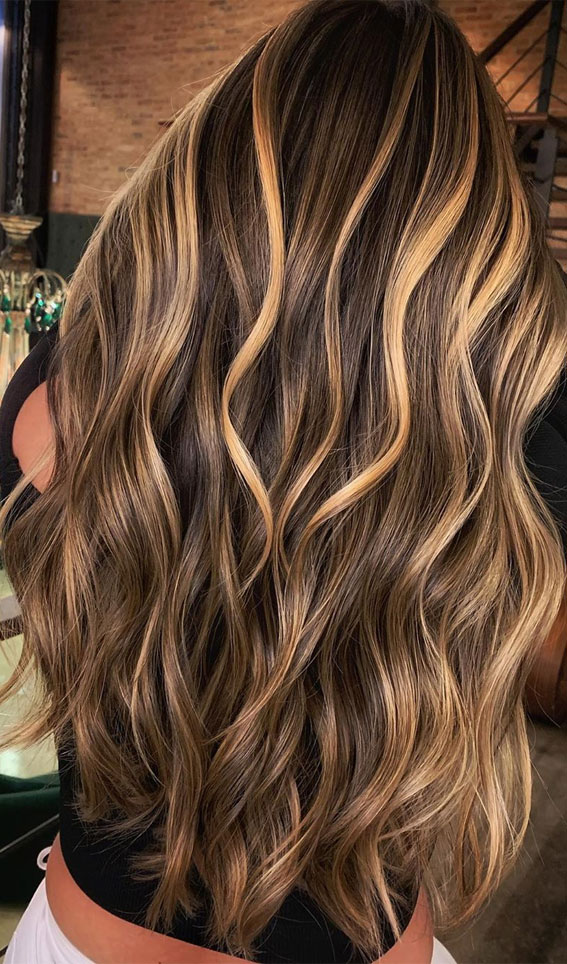
If the look that interests you is more “un-natural” than the natural hair color, your hair will require significantly more maintenance and hair care,” he tells us. On the other hand, highlights give you a more dramatic color change. They usually start at the roots and create more of a face-framing effect than balayage. Partial highlights involve fewer highlights and are usually just enough to create a sun-kissed effect. Unlike full highlights, partial highlights enhance your natural color rather than change it completely. A full highlight is the most comprehensive type of highlight.
#14: Brown Long Hair with Copperish-Blonde Balayage
It’s one of the best hair colors for women who are already blonde or have natural virgin hair that hasn’t been colored before. Silver and gray balayage are hard to achieve but also hard to maintain. You’ll want to ask your hairstylist what they recommend you use at home to keep the longevity of your hair color and also avoid shampooing every day. Unlike highlights, balayage is more about a technique than a final look.
Key Differences Between Balayage and Highlights
Balayage creates a more natural and blended look, with color applied in a freehand manner and a softer regrowth line, resulting in lower maintenance and beautiful balayage results. Because balayage creates a gradual, more natural color, it won’t produce a huge lightening effect in just one session. Traditional foil highlights, on the other hand, can give you maximum color lift at your first appointment. If you’re looking for a bold, immediate lightening treatment, you may consider classic highlights. The less obvious highlights mean you won’t have to get your hair touched up as often either. The balayage technique produces a soft, beach-kissed look by bleaching the hair in subtle, hand-painted strokes.
Balayage vs. Other Techniques and Styles
It's recommended to book a consultation with your colorist before booking a balayage appointment. During this consultation, you can ask your colorist how often you would have to come in for touch-ups and what your colorist charges for these appointments. Outside of the salon, Heidenwith says that moisture shampoos and conditioners are a must.
How much does balayage cost?
Balayage doesn’t use foils and therefore generates less heat. Heat works by opening up the hair cuticles so the chemicals in the lightener can penetrate the strands better. Cap highlights usually look subtle and natural, although they can look like zebra stripes if done incorrectly.
#2: Blonde Highlighting on Brown Hair
This color and cut are great for women with naturally fine hair texture who don’t do much with their hair. And, for ladies seeking a new look that will look good straight or curly to enhance their natural hair. Here, a darker color placed at the roots helps to soften the transition to the highlights and ensures less frequent touch-ups. No need to settle for one choice when you can get the best of both worlds with balayage and highlights together!
Picture references take all the guesswork out of things and give your stylist a clear understanding of the look you’re after. Even if you don’t know the name of specific colors, techniques, or placements, your stylist will have a visual example to base their work on. That gives your natural scalp oils enough time to coat your strands and create a protective layer.
#25: Light Blonde Balayage on Red Hair
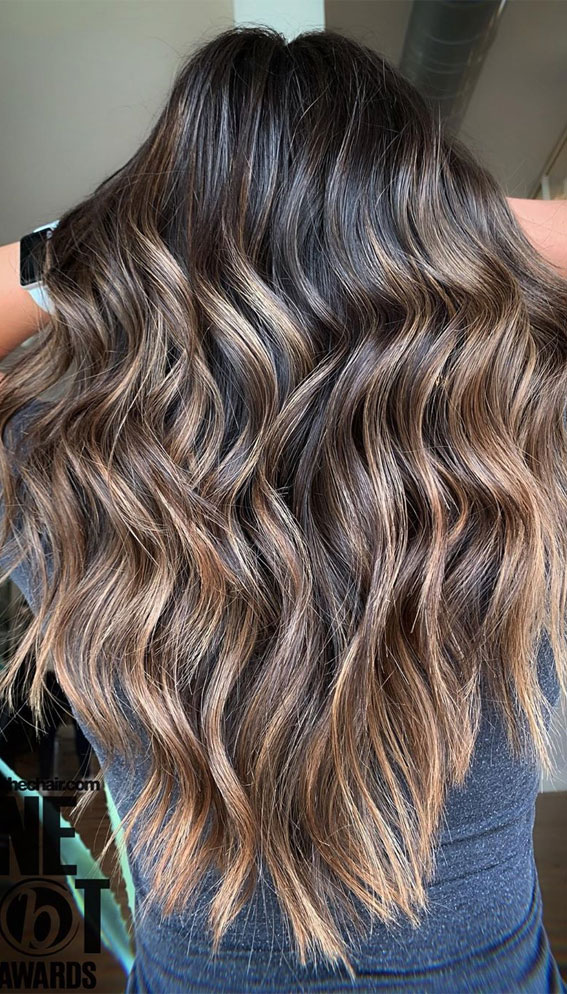
Worried that streaks of ultra-light blonde highlights may look tacky on you? Your stylist will help you choose the exact shade that matches your natural hair color, such as caramel. While heat can help you achieve lighter shades, it can also lead to more severe damage.
Balayage Hair 4 Key Looks + Celebrity Inspiration - Women's Health UK
Balayage Hair 4 Key Looks + Celebrity Inspiration.
Posted: Mon, 30 Sep 2019 07:00:00 GMT [source]
Because it involves a freehand technique, balayage requires a skilled colorist who understands your needs to give you the customized look you want. If you want to avoid needing regular touch-ups, you can opt for a partial, or mini, balayage, which highlights only the top layer of your hair and around your face. Unlike highlights, it's usually a process without foils (but some techniques do incorporate a film somewhat like saran wrap in order to achieve lighter results). This may come as a shock, but lowlights are the opposite of highlights. Where highlights are a few shades above your base color, lowlights are a few shades darker. The reigning misconception regarding lowlights is that they are just like highlights but not as drastic.
Similarly, there are instances where highlights are the better choice. We look into the best and worst of balayage so you can make a more informed choice. The truth is there is nothing like the beachy, sun-kissed glow you get from hair highlights. When your coloring is done you might get a trim to get rid of any dry or split ends. Plan for a few hours at the salon for either coloring service, plus time for a trim and style. Highlights can appear more dramatic and have well-defined streaks or "chunks" of color.
This results in cute natural-looking highlights, lighter near the ends, and softer on top. Women often describe them as “sun-kissed” and “beachy”, so soft they are. Highlights or highlighting is an umbrella term for hair coloring techniques like traditional highlights, babylights, ombré, and balayage. Balayage, which derives from the French for "sweeping," is another highlighting technique to add dimension and visual interest to your hair. With the balayage technique, stylists use a freehand approach and no foils.
Highlights, on the other hand, refer to a hair coloring technique that involves sectioning off the hair and applying color to specific strands. Traditional highlights are typically achieved using foils, where sections of hair are isolated and wrapped in aluminum foil before the color is applied. This allows for more precise placement of the highlights and ensures that the color does not spread to the surrounding hair. The result is more pronounced and uniform streaks of lightened hair throughout the sections that have been highlighted. Highlights can be customized to suit individual preferences, with options ranging from subtle face-framing highlights to a full head of highlights.
"Naturally coily hair is a perfect candidate for balayage because it won’t make your highlights look stripy," Cassanova says. "As long as it's done slow and steady with a bond builder such as Olaplex or Uberliss," she adds. However, if you wish to have more control over the specific tone of your hair and possibly cause less damage, then you may want to go with traditional highlights. You’ll find that highlights require regular maintenance because of the new growth that occurs. Moreover, even if your colorist is extremely careful, colors will inevitably overlap during application.


No comments:
Post a Comment